
 Manila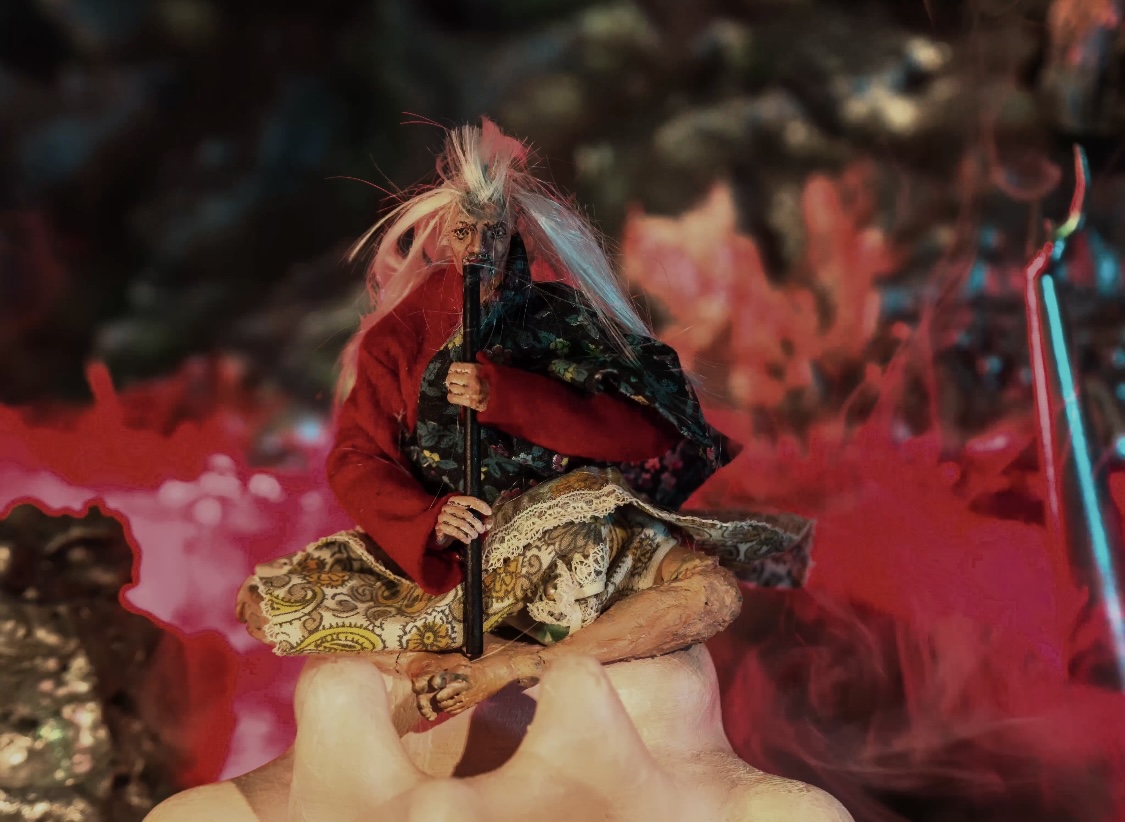
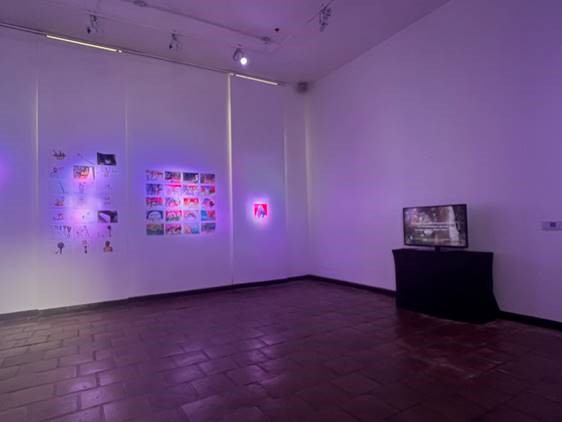
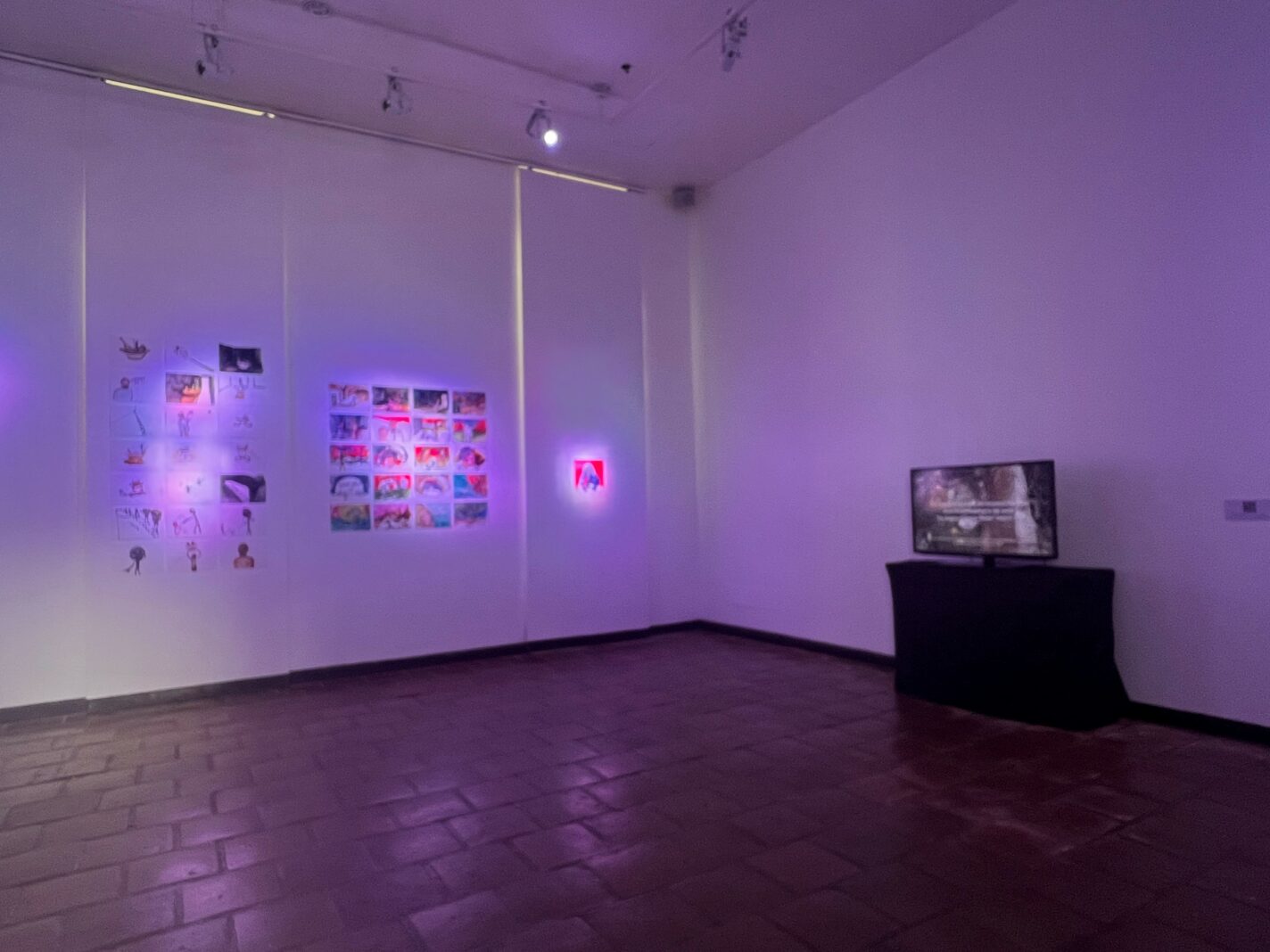
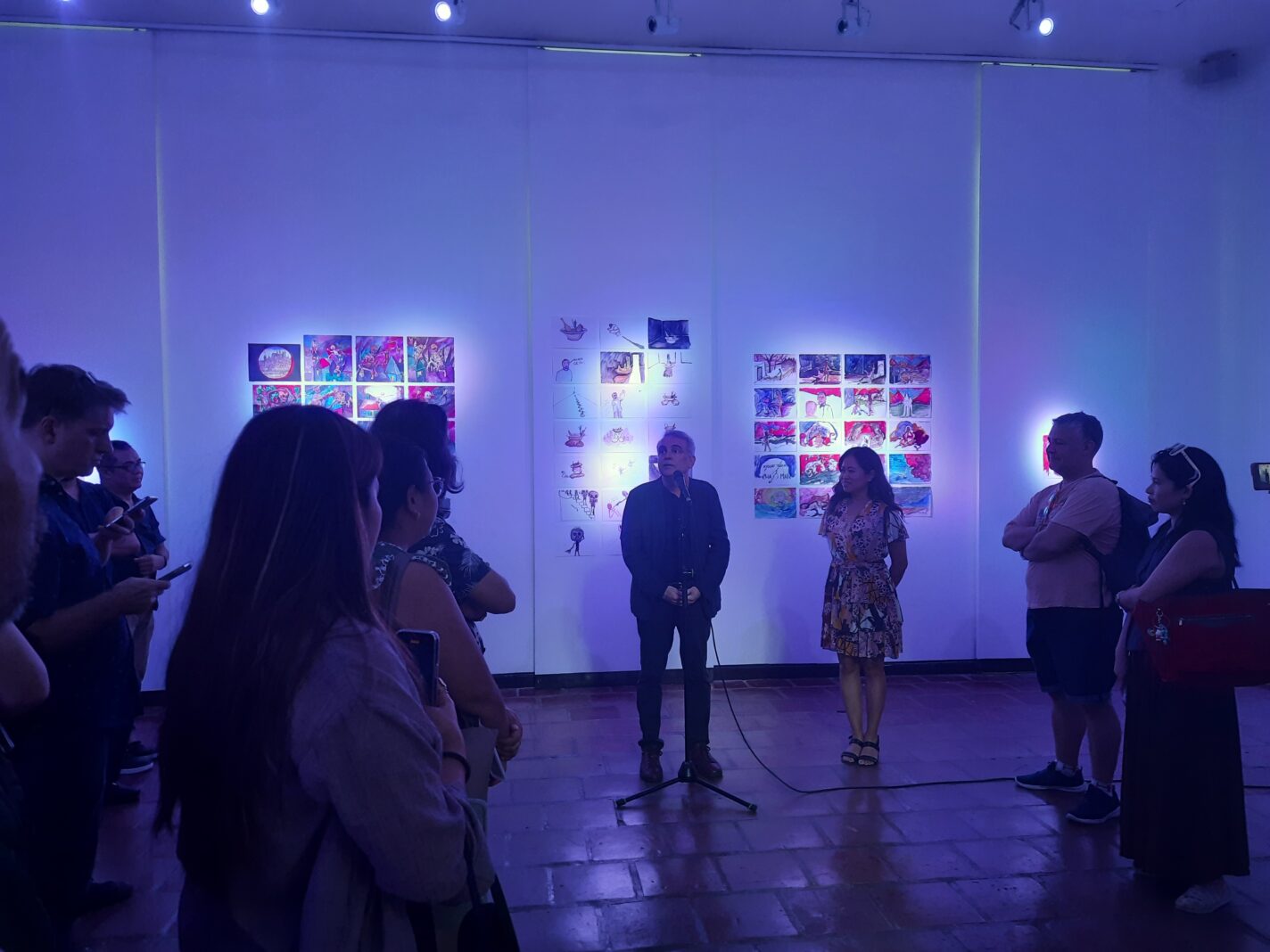
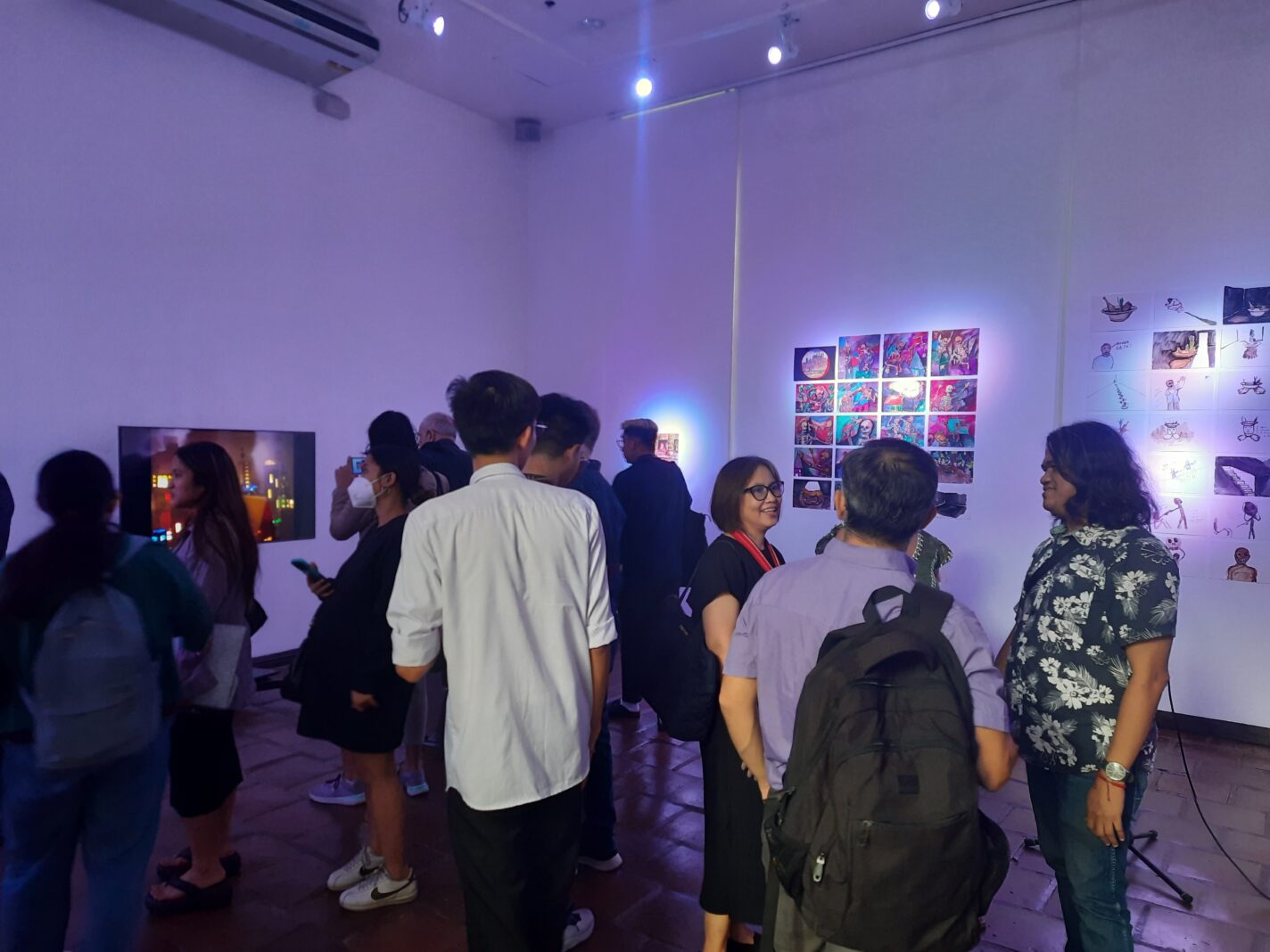
En agosto de 2024, el artista Enrique Marty y Kristine Guzmán como comisaria, presentaron la exposición Project Belonging: From There to Here. Part 1. The Foreign in the Familiar en Ateneo Art Gallery en Manila. La muestra incluyó obras de varias series de los años 90 y 2000, así como el Episodio III del vídeo All your world is pointless, un trabajo en proceso en forma de pequeños video-ensayos que condensa las visiones filosóficas del artista sobre el arte, el mundo, y la humanidad.
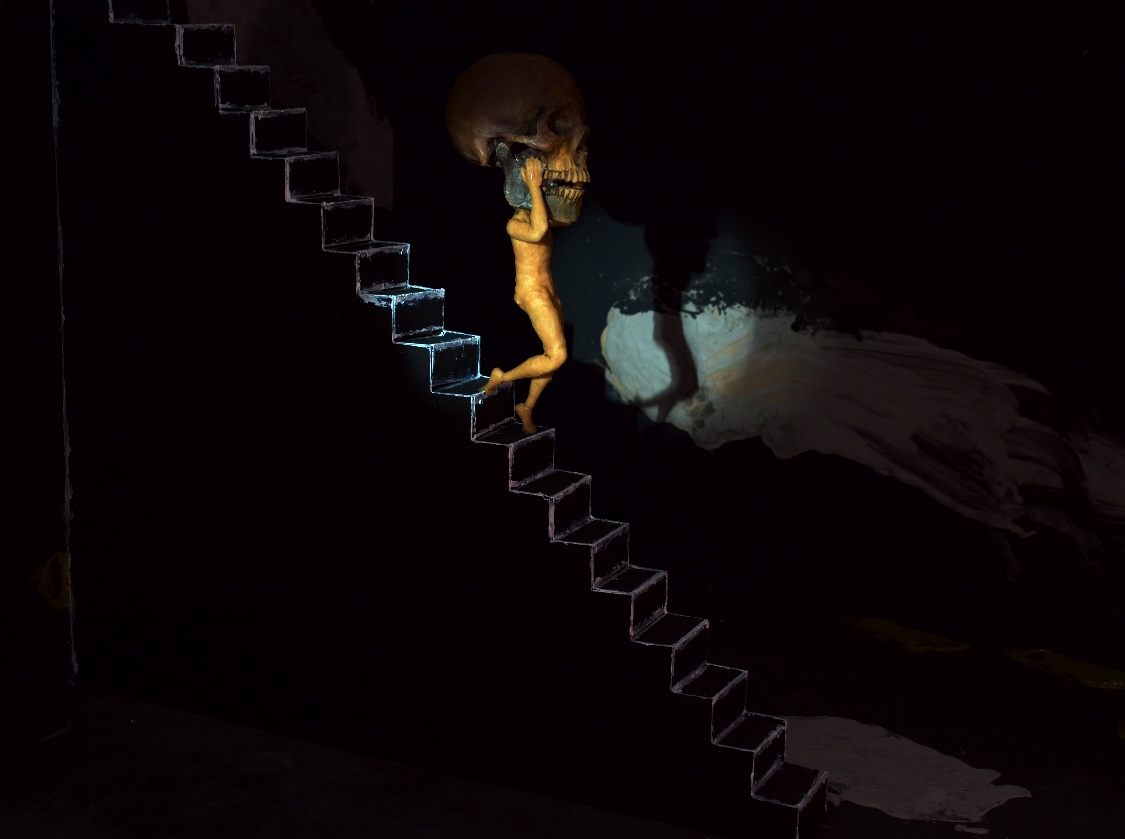
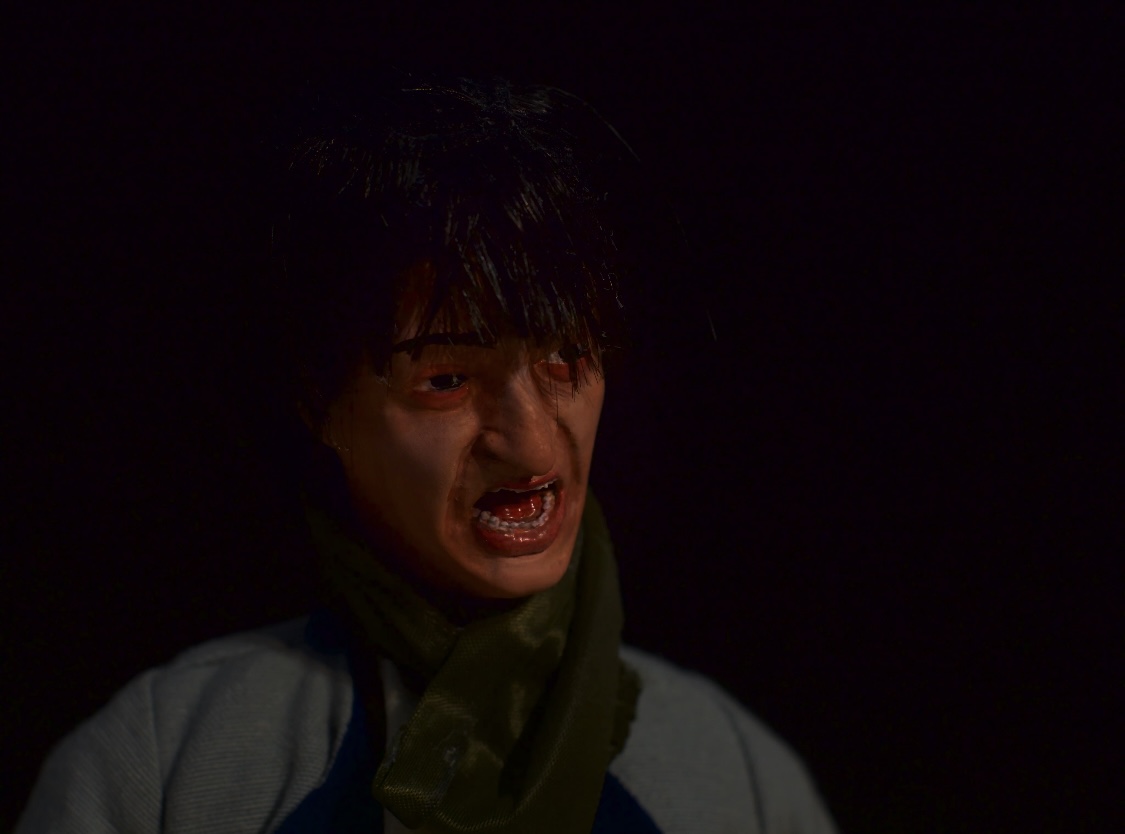
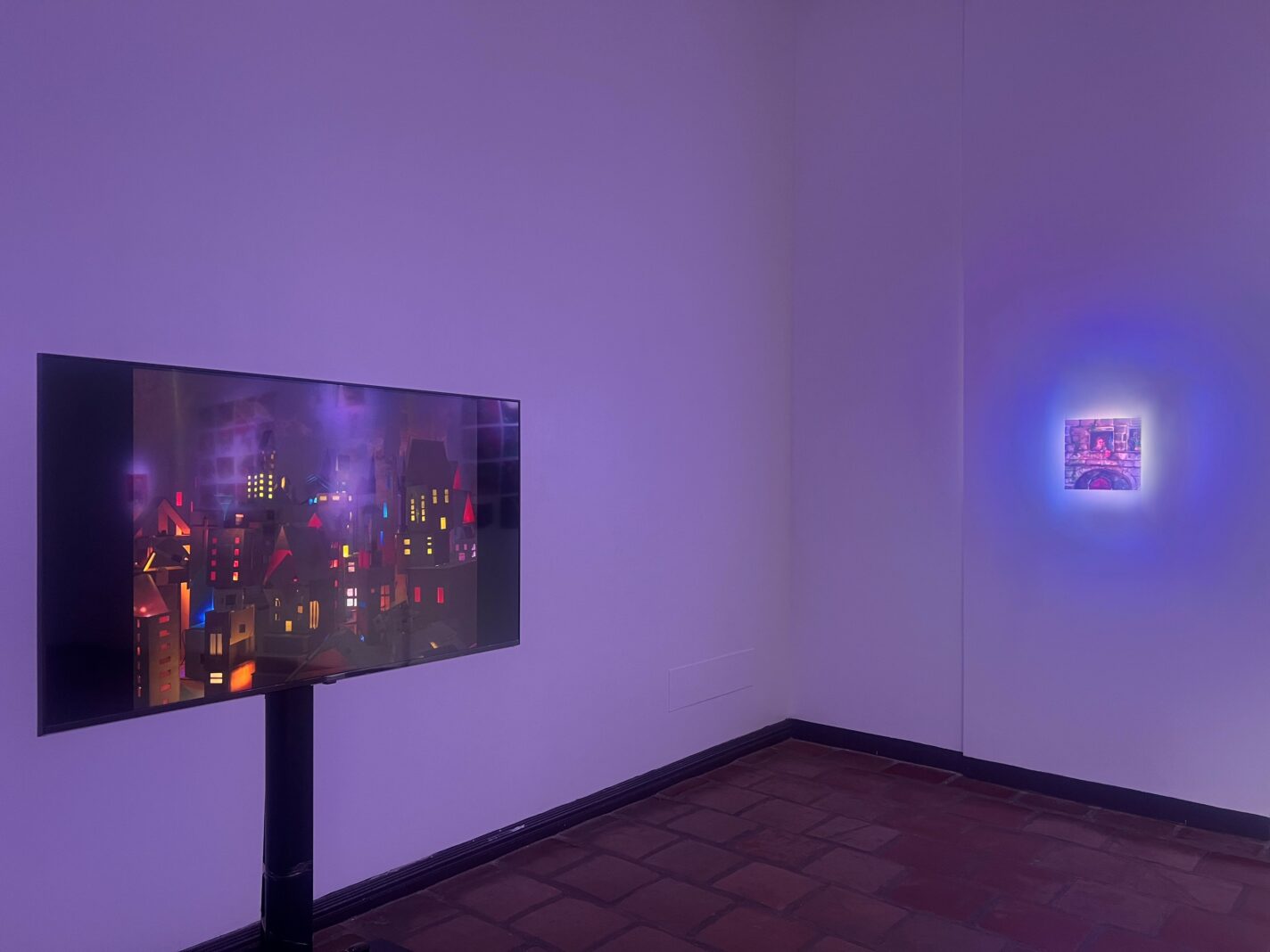
Enrique había comenzado a realizar el Episodio VII de All your world is pointless en el año 2023, utilizando la técnica de animación stop motion, dejando el guion abierto. Este episodio gira en torno al personaje del adolescente alemán Kaspar Hauser, una enigmática figura que apareció en una plaza de Nuremberg el 26 de mayo de 1828. Aparentemente, no sabía hablar, ni casi tampoco sostenerse de pie, caminar o alimentarse de otra cosa que no fuera pan y agua. Su estado mental despertó muchas hipótesis sobre su origen (quiénes fueron sus padres, por qué le mantuvieron en cautiverio, por qué le liberaron) y su fin fue igualmente misterioso. Su personaje fue llevado al cine en 1974 por Werner Herzog, un director que retrata en sus obras a los antihéroes, personajes únicos enfrentados a un mundo hostil, para los que la lucha por su supervivencia está siempre abocada al fracaso.
En aquella película de Herzog apareció por primera vez como actor un joven Kidlat Tahimik, realizando un papel clave: un indígena exhibido como atracción en un zoo humano, como aquellos indígenas que participaron en la Exposición General de Filipinas en el Palacio de Cristal de Madrid en 1887 y cuyas almas Kidlat “liberó” en 2021 en su gran exposición individual Magallanes, Marilyn, Mickey y fray Dámaso. 500 años de conquistadores RockStars en ese mismo espacio madrileño.
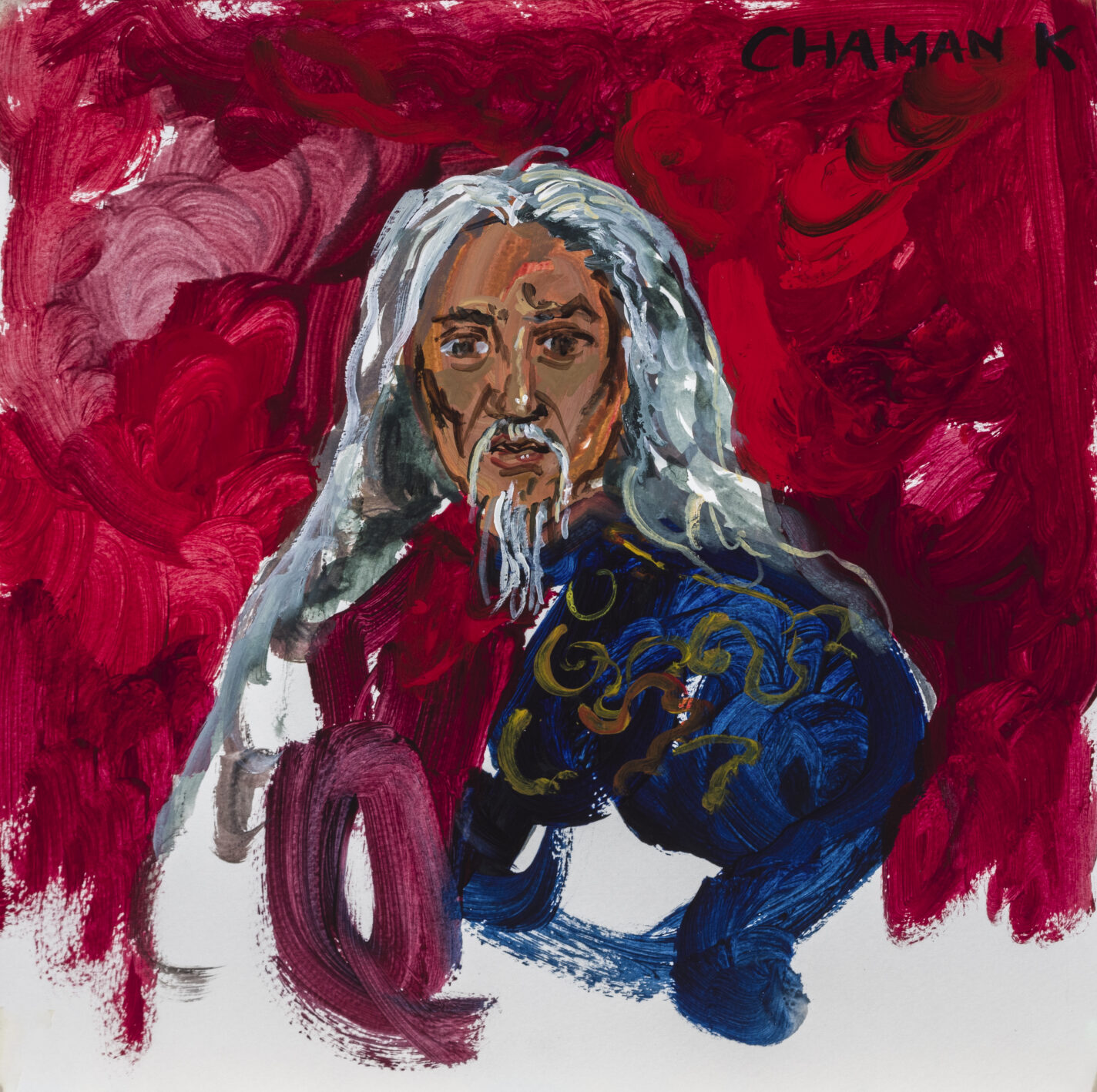
Durante la preparación de la exposición, aún en España, me vinieron a la mente muchos paralelismos en los trabajos de ambos artistas —la visibilización del “otro”, la búsqueda de la imperfección, el uso de lo artesanal y el low-tech, el gusto por el Barroco, o la constante autorrepresentación— así que le propuse a Enrique incluir en el guion del Episodio VII el personaje de Kidlat, en alusión a su participación en la película de Herzog. Y así lo hizo. En su vídeo lo convirtió en un chamán, un sabio al que acude Kaspar Hauser tras su liberación, transformando el fin trágico de la historia original en algo más esperanzador. Enrique ensalza a Kidlat y le transforma en un sujeto a venerar por el hombre occidental, que esta vez es el “otro” ridiculizado. De nuevo, plasma en este trabajo la relación entre el observador y el observado, el adorado y el adorador, utilizando el arte, la teatralización y la ficción para poner ante nuestros ojos la única realidad innegable: lo absurdo del mundo.
A lo largo de nuestra estancia en Manila preparando la exposición en Ateneo Art Gallery, nos surgió la oportunidad de entrevistarnos con el mismísimo Kidlat Tahimik en su lugar de residencia en Baguio, en las cordilleras al norte de Filipinas. Lo que pensábamos que iba a ser una entrevista de una hora se convirtió en más de cuatro horas de conversaciones que tuvieron lugar durante dos días en dos espacios que Kidlat ha creado para la comunidad artística de Baguio: VOCAS e Ili-likha, ambos lugares mágicos, unos oasis dentro de la jungla urbana, donde queda patente la mano de su creador. En esta conversación, hablamos sobre temas dispares como el poder del cosmos, la religión, el azar, el colonialismo y poscolonialismo, pero también sobre el arte, la creación y los acontecimientos que llevaron a la formación de la identidad de Kidlat Tahimik con quien Enrique se sintió identificado e inspirado después del encuentro.
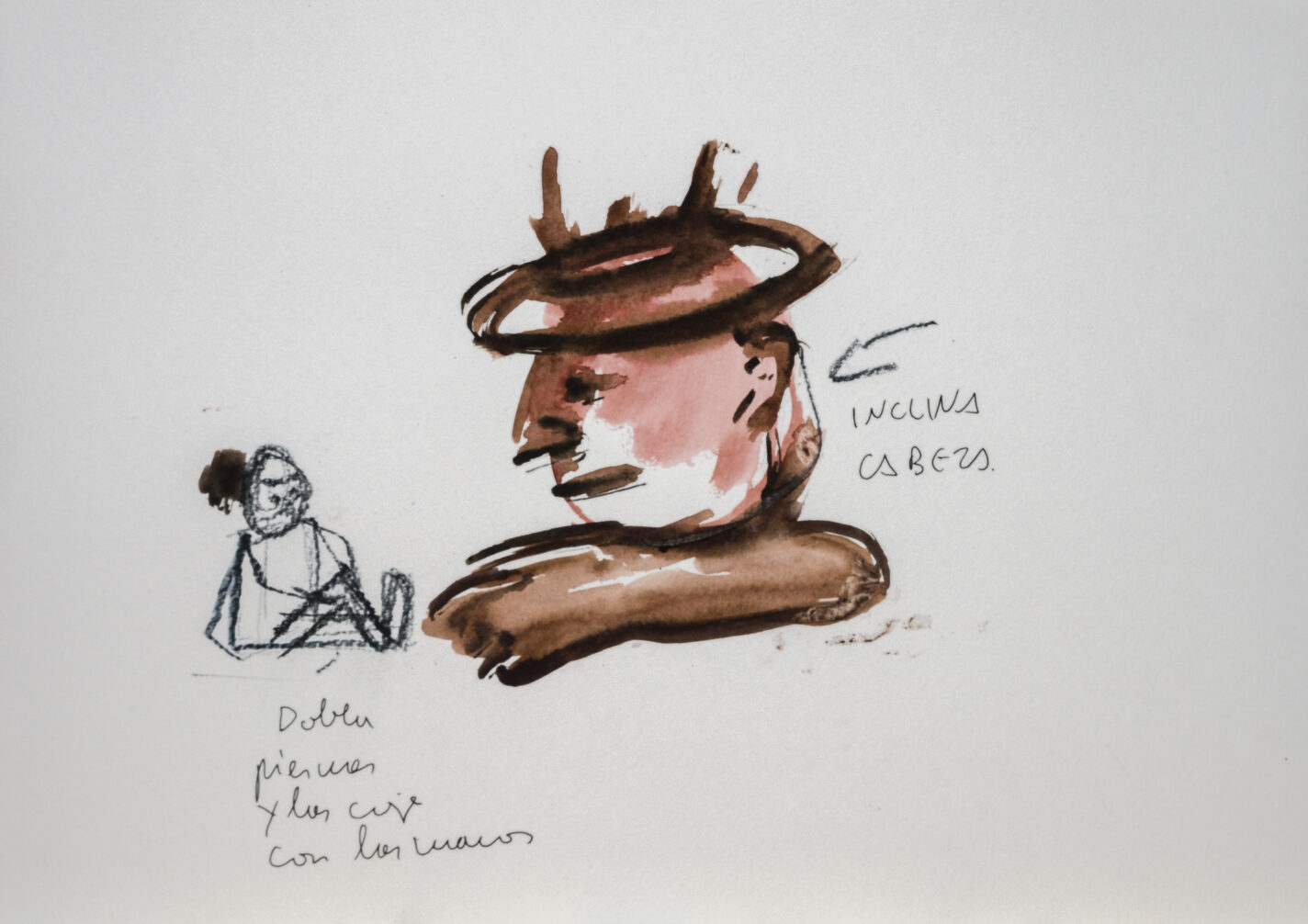
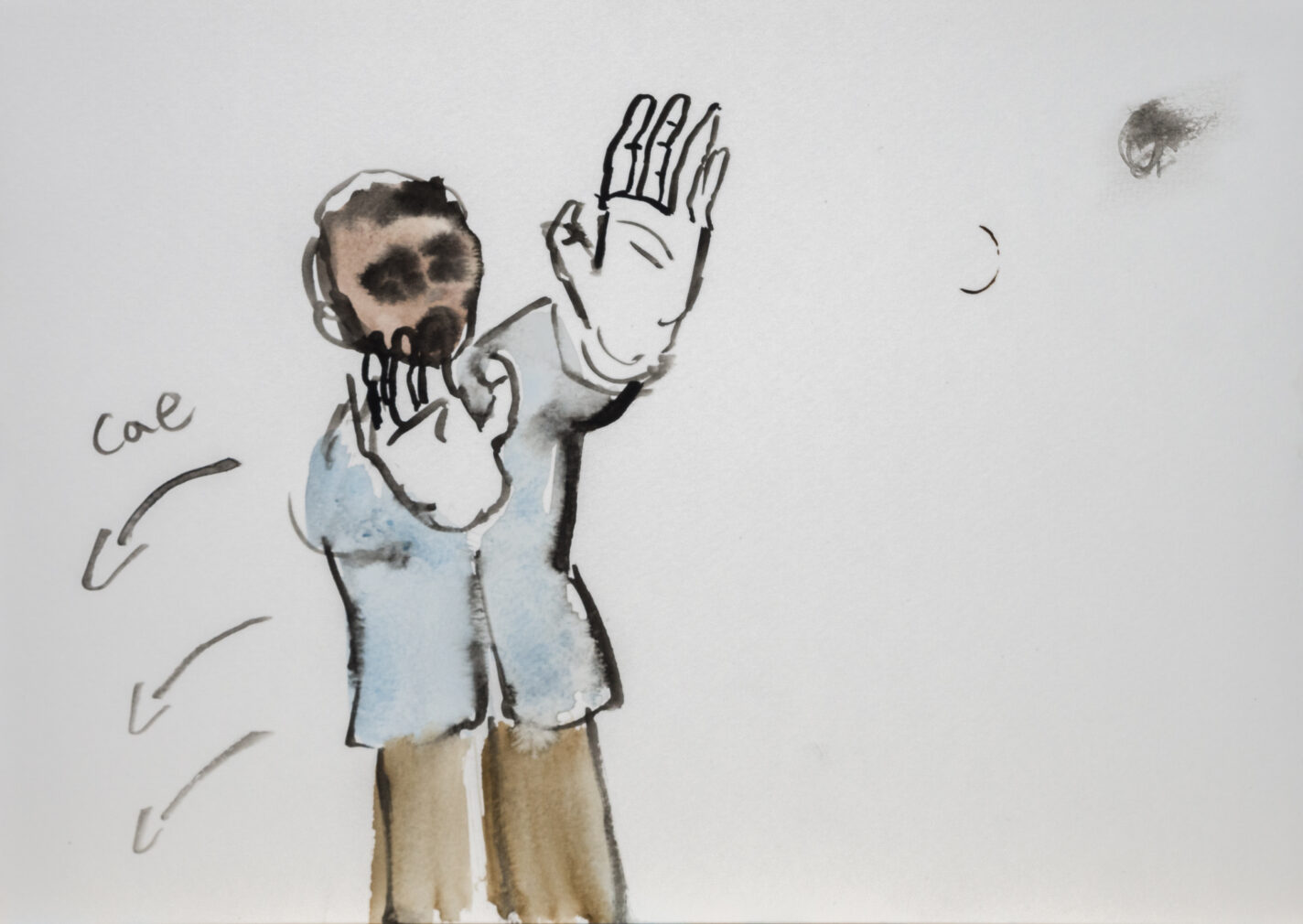
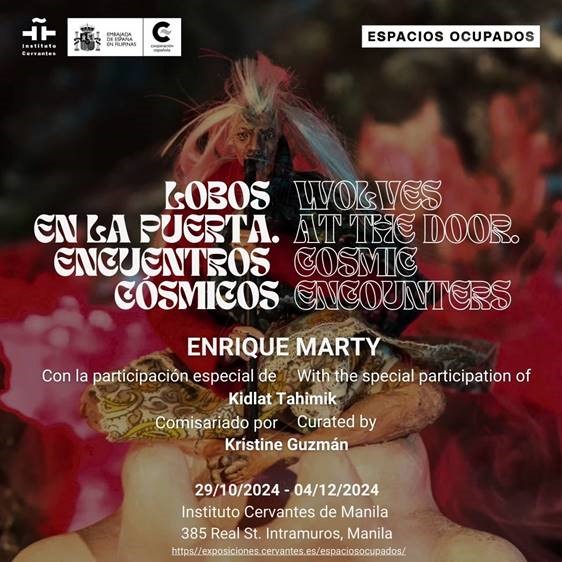
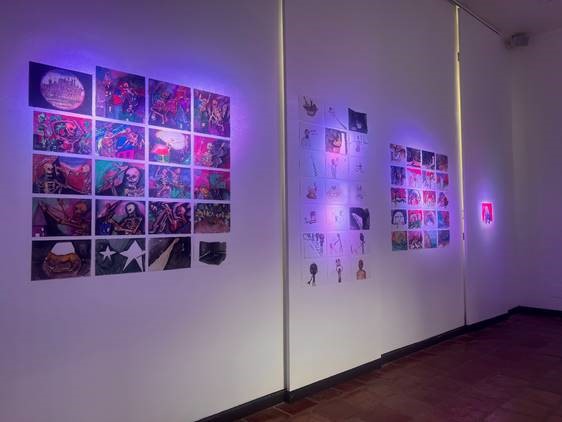
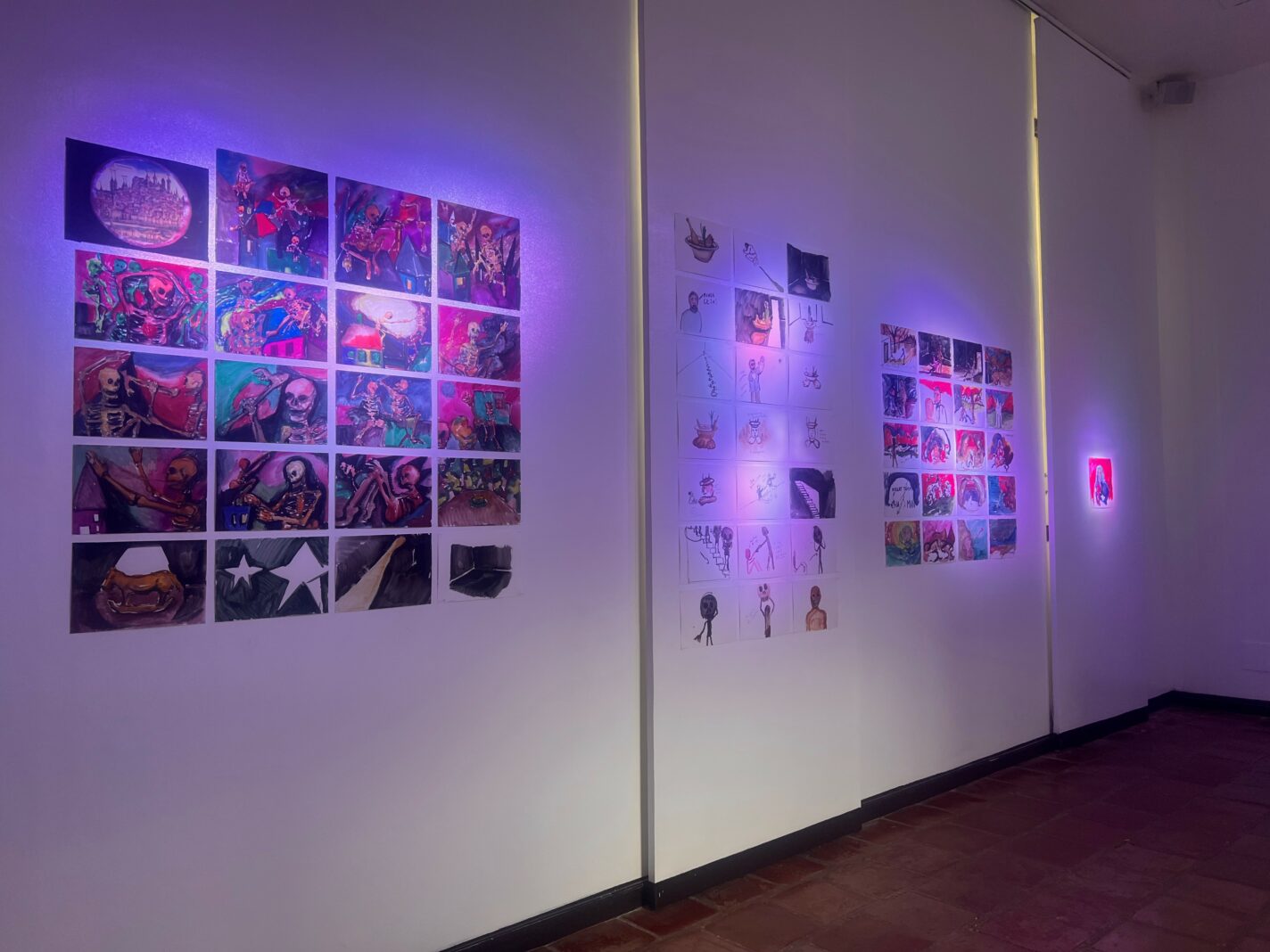
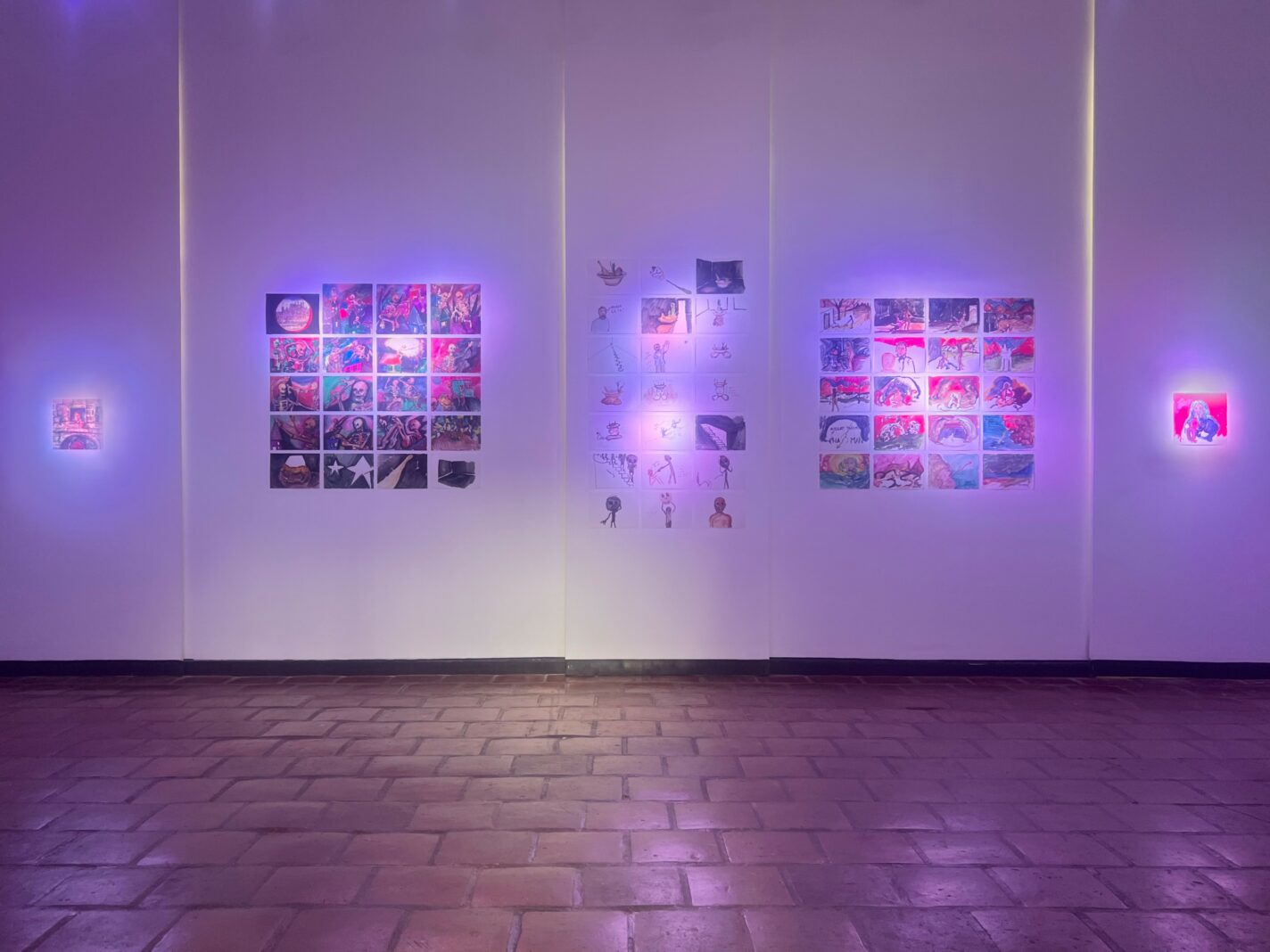
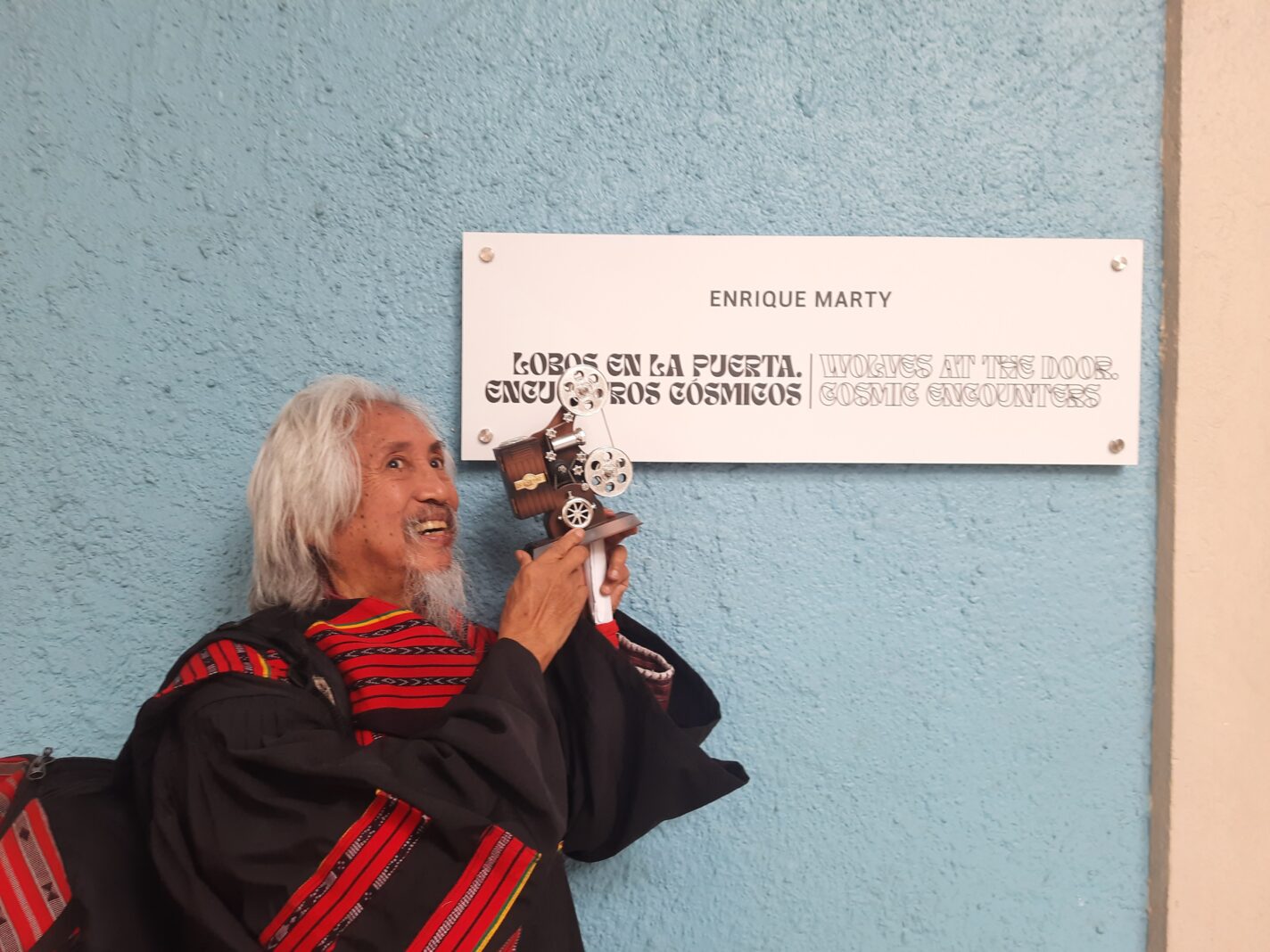
La exposición en el Instituto Cervantes Manila incluye los vídeos Lobos en la puerta, Episodio VII de All your world is pointless y un extracto de la conversación con Kidlat Tahimik titulada Encuentros cósmicos, cuya versión ampliada está disponible en la web https://enriquemarty.com. Ambos estarán acompañados de más de 60 dibujos preparatorios, a modo de storyboard del primer vídeo, mostrando así, la multidisciplinaridad de uno de los artistas más prolíficos del panorama actual en España.
In August 2024, the artist Enrique Marty and the curator Kristine Guzmán presented the exhibition Project Belonging: From There to Here. Part 1. The Foreign in the Familiar at the Ateneo Art Gallery in Manila. The exhibition included works from several series from the 1990s and 2000s, as well as Episode III of the video All your world is pointless, a work in progress in the form of short video essays that condenses the artist’s philosophical views on art, the world, and humanity.
Enrique had begun making Episode VII of All your world is pointless in 2023, using the stop motion animation technique, leaving the script open. This episode revolves around the character of the German teenager Kaspar Hauser, an enigmatic figure who appeared in a square in Nuremberg on May 26, 1828. Apparently, he could not speak, nor could he stand up, walk or eat anything other than bread and water. His mental state raised many hypotheses about his origin (who his parents were, why he was held captive, why he was released) and his end was equally mysterious. His character was brought to the big screen in 1974 by Werner Herzog, a director who portrays antiheroes in his works, unique characters facing a hostile world, for whom the fight for survival is always doomed to failure.
In that Herzog film, a young Kidlat Tahimik appeared for the first time as an actor, playing a key role: an indigenous person exhibited as an attraction in a human zoo, like those indigenous people who participated in the General Exhibition of the Philippines at the Crystal Palace in Madrid in 1887 and whose souls Kidlat “freed” in 2021 in his magnificent solo exhibition entitled Magellan, Marilyn, Mickey and Brother Damaso. 500 Years of Conquistador RockStars in that same space in Madrid.
During the preparation of the exhibition, while still in Spain, many parallels came to my mind in the works of both artists—the visibility of the “other,” the search for imperfection, the use of craftsmanship and low-tech, the taste for the Baroque, or the constant self-representation—so I suggested to Enrique that he include the character of Kidlat in the script of Episode VII, in allusion to his participation in Herzog’s film. And so he did. In his video he turned him into a shaman, a wise man to whom Kaspar Hauser approaches after his release, transforming the tragic end of the original story into something more hopeful. Enrique exalts Kidlat and transforms him into a subject to be venerated by the Western man, who this time is the ridiculed “other.” Once again, in this work, he captures the relationship between the observer and the observed, the worshipped and the worshipper, using art, theatricalization and fiction to bring before our eyes the only undeniable reality: the absurdity of the world.
Throughout our stay in Manila for the exhibition at Ateneo Art Gallery, we had the opportunity to interview Kidlat Tahimik himself at his place of residence in Baguio, in the mountain ranges in northern Philippines. What we thought was going to be a one-hour interview turned into more than four hours of conversations that took place over two days in two spaces that Kidlat has created for the artistic community of Baguio: VOCAS and Ili-likha, both magical places, oases within the urban jungle, where the hand of their creator is evident. In these conversations, we talked about disparate topics such as the power of the cosmos, religion, chance, colonialism and postcolonialism, but also about art, creation and the events that led to the formation of Kidlat Tahimik’s identity, with whom Enrique felt identified and inspired after the meeting.
The exhibition at the Instituto Cervantes Manila includes the videos Wolves at the Door, Episode VII of All your world is pointless and an excerpt from the conversation with Kidlat Tahimik entitled Cosmic Encounters, whose extended version is available on the website https://enriquemarty.com. Both will be accompanied by more than 60 preparatory drawings, as a storyboard for the first video, thus showing the multidisciplinarity of one of the most prolific artists on the current scene in Spain.
Noong Agosto 2024, ang artistang si Enrique Marty at ako, bilang tagapangasiwa, ay nagtatanghal ng eksibisyon na Project Belonging: From There to Here. Part 1. The Foreign in the Familiar sa Ateneo Art Gallery sa Maynila. Kasama sa eksibisyon ang mga likha mula sa ilang serye na ginawa sa taong 90s at 2000s, pati na rin ang Episode III ng video All your world is pointless. Ito ay isang likha sa uri ng maliliit na video-essay tungkol sa mga pilosopikong pananaw ni Enrique sa sining, sa mundo, at sangkatauhan.
Sinimulan ni Enrique na gawin ang Episode VII ng All your world is pointless sa taong 2023, gamit ang stop motion animation technique, at iniwang bukas ang script. Ang episode na ito ay umiikot sa katauhan ng German teenager na si Kaspar Hauser, isang mahiwagang pigura na lumitaw sa isang liwasang-bayan sa Nuremberg noong Mayo 26, 1828. Tila, hindi siya marunong magsalita, ni halos hindi siya makatayo, makalakad, o makakain ng anuman maliban sa tinapay at tubig. Ang kalagayan ng isip niya ay nagdulot ng maraming hipotesis tungkol sa kanyang pinagmulan (kung sino ang kanyang mga magulang, kung bakit siya pinagbihag, kung bakit siya pinalaya) at ang kanyang kamatayan ay pawang misteryoso rin. Ang kanyang katauhan ay isinalang sa pelikula ni Werner Herzog noong 1974. Si Herzog ay isang direktor na naglalarawan ng mga antihero sa kanyang mga pelikula, mga natatanging karakter na nahaharap sa isang pagalit na mundo, kung saan ang paglaban para sa kaligtasan ay palaging humahantong sa kabiguan.
Sa pelikulang iyon ni Herzog, lumabas ang isang batang Kidlat Tahimik. Iyon ay ang unang pagkakataon niya bilang aktor, at gumaganap siya ng isang mahalagang papel: isang katutubong tao na itinanghal bilang atraksyon sa isang human zoo, tulad ng mga katutubo na lumahok sa Exposición General de Filipinas sa Palacio de Cristal sa Madrid noong 1887. And mga kaluluwa ng katutubong ito ay «pinalaya» ni Kidlat noong 2021 sa kanyang mahusay na indibidwal na eksibisyon Magallanes, Marilyn, Mickey y fray Dámaso. 500 años de conquistadores RockStars sa mismong lugar na ito sa Madrid.
Habang inihahanda namin ang eksibisyon mula sa Espanya, maraming mga pagkakatulad ang dumahon sa aking isip tungkol sa mga likha ng dalawang artistang ito —ang kakayahang makita ng «iba», ang paghahanap para sa di-kasakdalan, ang paggamit ng pagkakayari at low-tech, ang panlasa para sa Baroque, o ang patuloy na paglalarawan ng sarili—kaya iminungkahi ko kay Enrique na isama ang karakter ni Kidlat sa script para sa Episode VII, pagkat gumanap siya ng papel sa pelikula ni Herzog. At gayon ang ginawa niya. Sa kanyang video ay ginawa niya siyang shaman, isang pantas na matanda na nilapitan ni Kaspar Hauser matapos siyang palayain. Ginawang mas may pag-asa ang wakas ng pelikula, kung ihahambing sa trahedya ng orihinal na kuwento. Pinuri ni Enrique si Kidlat at ginawa siyang paksa na dapat igalang ng Kanluraning tao, na sa pagkakataong ito ay ang kinutya na «iba.» Muli, sa likhang ito ay nakuha niya ang relasyon sa pagitan ng nagmamasid at ng pinagmamasdan, ang sinasamba at ang sumasamba, sa pamamagitan ng sining, pag-aakit ng teatro at kathang-isip, upang ilagay sa harap ng ating mga mata ang tanging hindi maikakaila na katotohanan: ang walang kabuluhan ng mundo.
Sa buong pananatili namin sa Maynila noong inihahanda ang eksibisyon sa Ateneo Art Gallery, nagkaroon kami ng pagkakataong makapanayam si Kidlat Tahimik mismo sa kanyang tahanan sa Baguio, sa mga bulubundukin sa hilaga ng Pilipinas. Ang inakala naming magiging isang oras na panayam ay naging mahigit apat na oras na pag-uusap na naganap sa loob ng dalawang araw sa dalawang puwang na nilikha ni Kidlat para sa komunidad ng sining ng Baguio: VOCAS at Ili-likha, parehong mahiwagang lugar, mga owasis sa loob ng urban jungle, kung saan kitang-kita ang kamay ng lumikha nito. Sa aming pag-uusap, tinalakay namin ang magkakaibang mga paksa tulad ng kapangyarihan ng kosmos, relihiyon, pagkakataon, kolonyalismo at postkolonyalismo, kundi pati na rin ang tungkol sa sining, sa paglikha at ang mga pangyayaring naging dahilan ng pagkakabuo ng katauhan ni Kidlat Tahimik. Pagkatapos ng pulong, napagkilanlan ni Enrique ang sarili niya kay Kidlat.
Kasama sa eksibisyon sa Instituto Cervantes Manila ang video na Mga Lobo sa Pinto, Episode VII ng All your world is pointless at isang sipi mula sa pakikipag-usap kay Kidlat Tahimik na pinamagatang Mga Tagpong Kosmiko, ang pinalawak na bersyon nito ay matatagpuan sa website https:/ /enriquemarty.com. Kasama rin ang higit sa 60 preparatory drawings, bilang storyboard ng unang video. Ito ay pagsubok ng multidisciplinarity ng isa sa mga pinaka-mabungang artista sa kasalukuyang eksena sa Espanya.
Kristine Guzmán